Fabrics / Sports & activewear · Cotton-like matte plaid jacquard
Cotton-Like Matte Plaid Jacquard 180 GSM — 175 cm
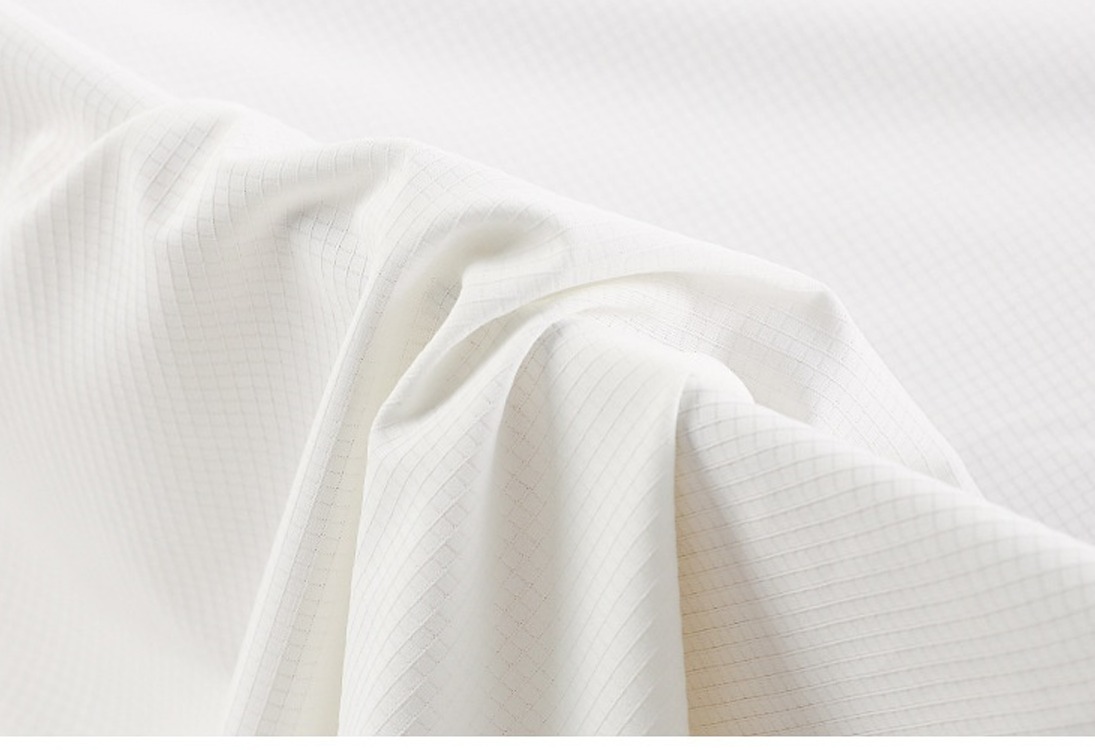
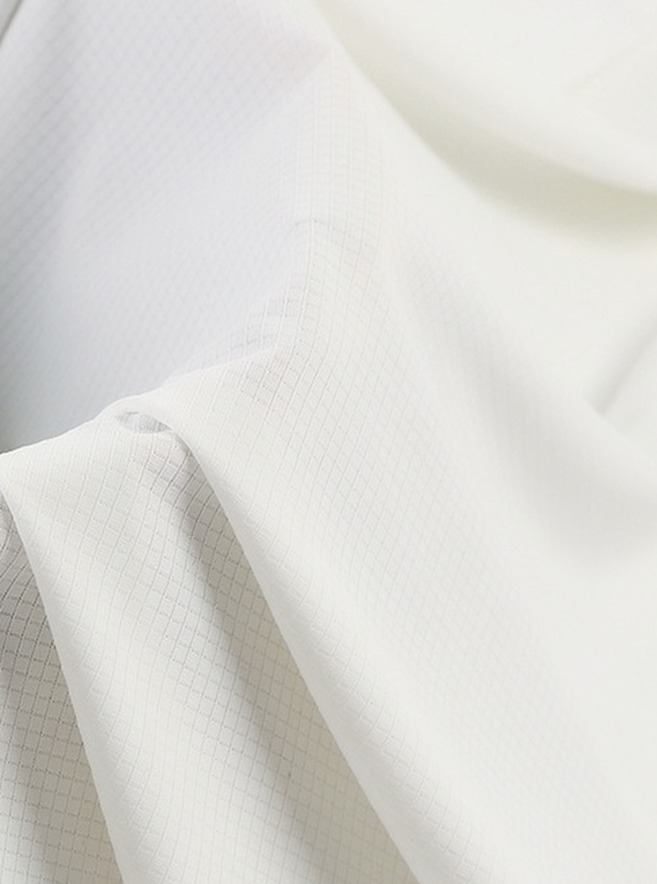
A 180 GSM plaid jacquard knit on a 175 cm width, 95% polyester / 5% spandex. It answers the question that decides most casual ranges: how do you get a cotton hand without cotton’s problems? The answer here is a matte (full-dull) polyester yarn knitted on a jacquard machine, so the cloth feels dry rather than slick, and the large check sits in the structure instead of on top of it.
What that buys you: little shrinkage in the wash, no ironing, colour that holds, and a cloth that dries in a fraction of the time cotton takes — which is why so much kidswear and summer outerwear has moved this way. What it does not buy you is a cotton price. Filament polyester is stable in a way the cotton market is not, so a quotation on this quality does not move under you between the sample and the bulk order.
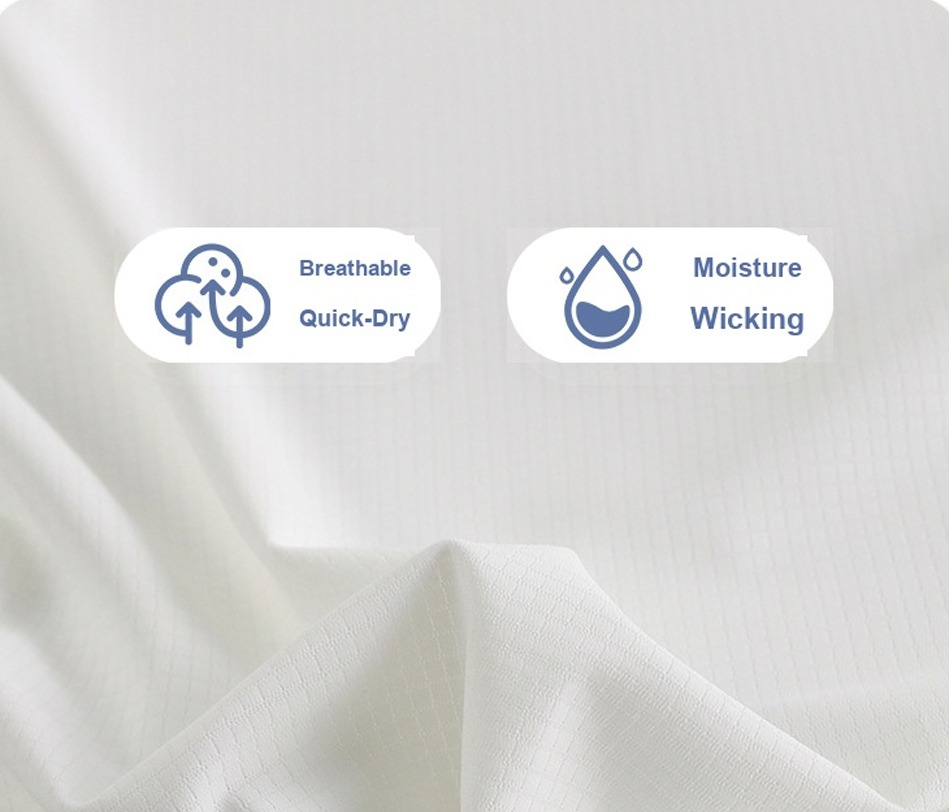
- Composition
- 95% Polyester5% spandex
- Weight
- 180 GSM5.3 oz/yd²
- Width
- 175 cm69 inch, open width
- Yarn count
- Set at orderknitted against 180 GSM on 175 cm
- MOQ
- 300 kg≈ 950 running metres
- Colour
- No.001 – No.096quote the shade number
Full specification
| Customization | Available — shade, weight, width and check size confirmed at quotation |
|---|---|
| Knitting technics | Plaid jacquard: the checks are selected needle by needle on the machine, so the pattern lives in the structure. Nothing is printed on the surface to crack, fade or register out of line |
| Composition | 95% polyester + 5% spandex |
| Yarn | Matte (full-dull) polyester — the dulling agent is in the polymer, so the cloth stays matte through washing and wear instead of relying on a finish that washes off |
| Weight | 180 GSM / 5.3 oz/yd² |
| Width | 175 cm / 69 inch, open width — a wide roll, so a full check repeat fits across a body panel |
| Yarn count | Set at order. Send the count you already run and we knit this quality to it against 180 GSM on the 175 cm width; the price above is on our standard count |
| Dyeing | Piece dyed after knitting, so the shade is even from the first metre of the roll to the last |
| Colour | Our stock shade card, quoted by number (No.001–No.096); or dyed to order against an approved lab dip. Ask for the card with your enquiry |
| Hand | Dry, matte and cotton-like: it does not have the cool slick feel of a bright polyester jersey, and it does not cling |
| Stretch | 5% spandex, moderate two-way stretch — enough for a hood, a cuff and a sleeve head, not a compression cloth |
| Stability | Polyester filament, so shrinkage in the wash is low and the garment keeps the measurement it was cut at. The reason this quality is popular for kidswear |
| Pilling | There is no short staple in the yarn to work loose and ball up, which is what happens to a cotton jersey at the cuff and the underarm |
| Takes sublimation transfer and screen print on the ground; over the full check a photographic print will read muddy, so use it as a solid shade or a light placement print | |
| Sun | Dense enough to be used as a light cover-up — the jackets in the photos are cut from this quality. If your label carries a UPF claim, tell us the standard you need and we have the cloth tested rather than quoting a figure we cannot document |
| Origin | Shaoxing City, Zhejiang, China |
| MOQ | 300 kg per shade |
| Price | US$ 12.14 / kg (300–999 kg) · US$ 10.69 / kg (1,000 kg+) |
| Yield | ≈ 3.17 running metres per kg at 180 GSM × 175 cm (≈ US$ 3.82 per running metre, ≈ US$ 2.19 per m²) |
| Lead time | Stock shades ship from the dye lot on hand; dyed-to-order shades are confirmed at quotation |
| Packing | Roll-packed, roughly 20 kg per roll, poly bag inside a woven sack |
| Sample | Hanger swatch free; a 1 m cut of a stock shade charged at cost and credited against the bulk order |
| Documents | Invoice, packing list, B/L, certificate of origin; test reports on request |
| Care | Machine wash cold, do not bleach, no fabric softener, tumble low or dry flat in shade |
Why this one does not read as polyester
Most cloth that “looks plastic” is bright polyester: a hard highlight rolls along every fold, and under shop lighting or a phone flash it gives itself away instantly. Full-dull yarn carries a dulling agent inside the polymer, so light scatters across the surface instead of bouncing off it. The difference is not a finish that washes out — it is in the fibre.
The structure does the rest. A large check breaks the surface into small planes, so there is no big flat area to catch a highlight, and the cloth reads matte from every angle rather than only from the front. Put it next to a plain bright jersey in the same shade and the difference is obvious in a photograph — which is usually where a buyer decides.
The check is knitted, not printed
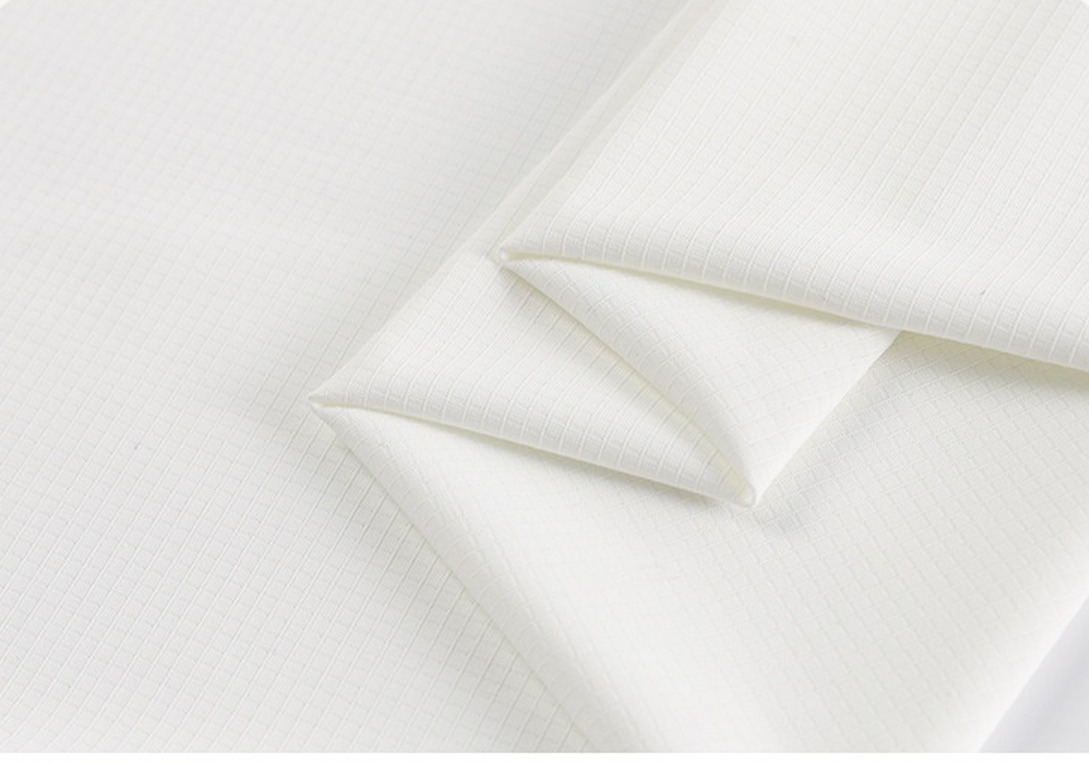
A printed check has three weaknesses that the customer only discovers later: the print can drift out of register, it cracks along the fold, and it fades where the garment rubs. A jacquard check has none of them, because the pattern is made of knit stitches — there is no ink film on the surface to fail.
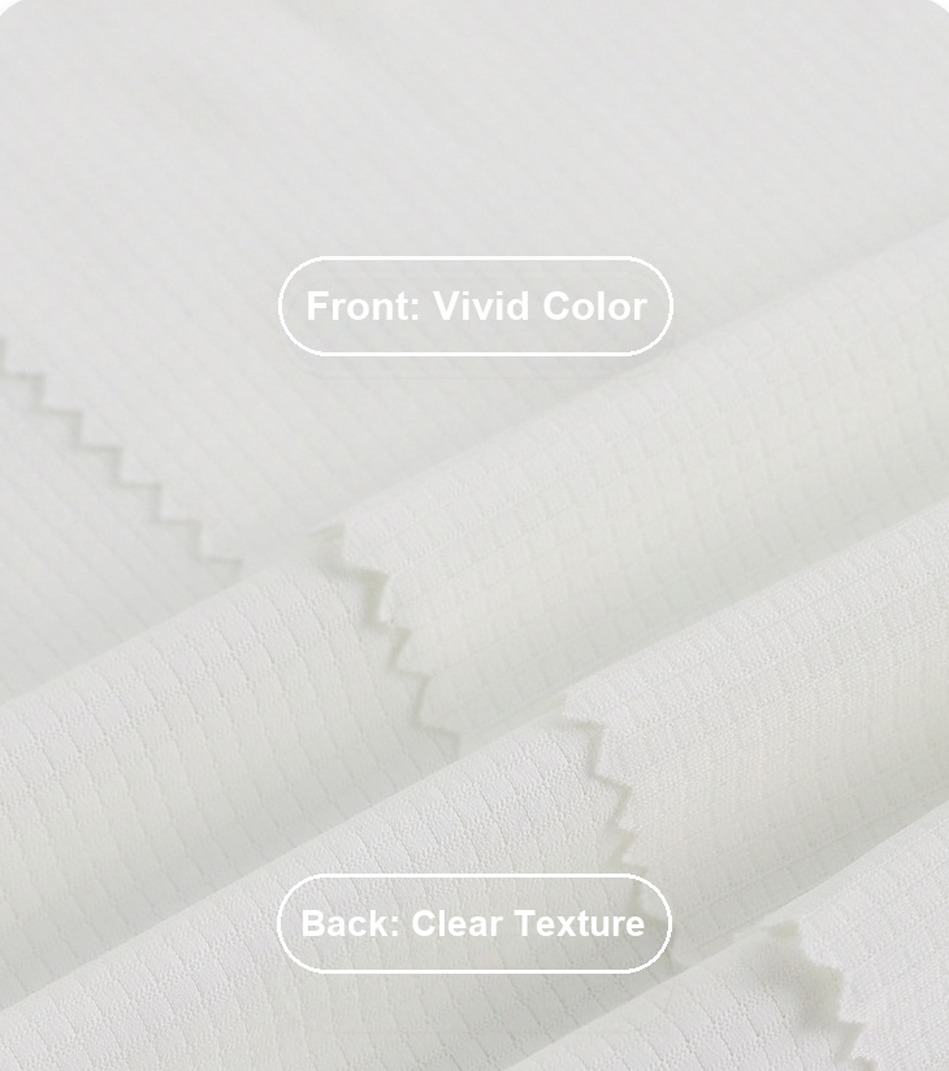
It also means the reverse is a clean mirror of the face. On an unlined hood, a hem or a cuff, that is the difference between a garment that looks finished and one that obviously shows its cheap side. And because the grid is locked to the needle, pattern matching at the seam is predictable: tell us the repeat you are working to, we measure the check off the roll and send the figure with the quotation so your pattern maker can lay the plaid to the panel. At 175 cm wide a full repeat fits across a body panel without a split.
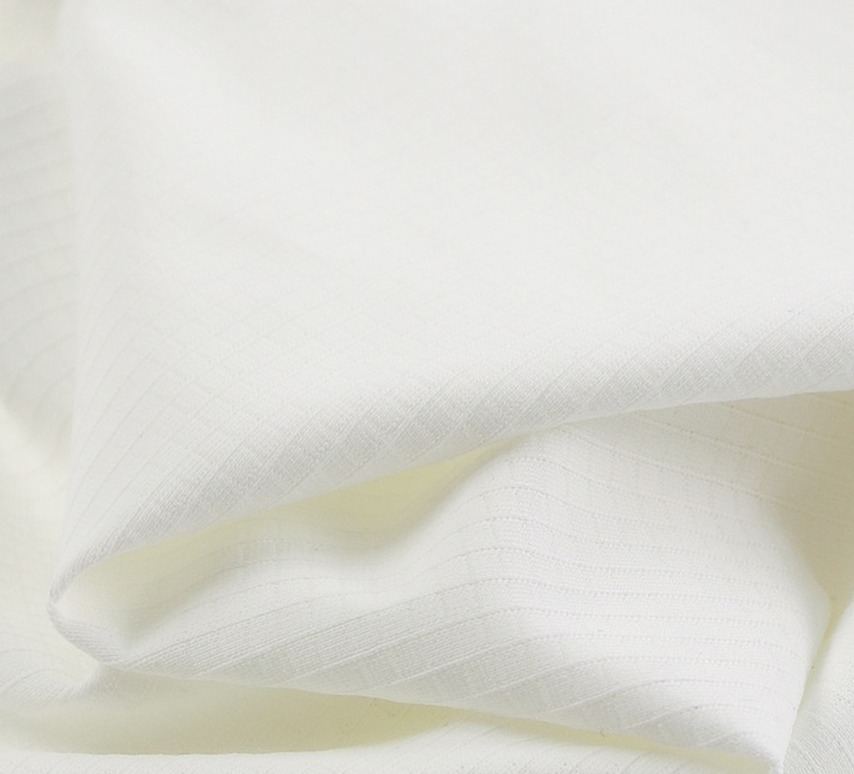
Colour, quoted by number
Our stock card runs to 96 shades. Pick the numbers you are choosing between and we dye this base to them; if what you need is not on the card, send a Pantone reference or a physical swatch. Quote the number — No.041, not “the stone” — so nothing is misread between your buying office and our dye house. Ask for the card with your enquiry and we send it, together with a lab dip of your shortlisted shades on this base cloth. MOQ is 300 kg per shade.
The matte yarn behaves differently from a bright one at the same number: shades come out a touch deeper and softer, without the metallic edge a bright polyester gives you in the darker colours. Judge the lab dip on this cloth, never off the paper chip.
What a kilo buys you
At 180 GSM on a 175 cm width one kilo gives about 3.17 running metres, so the 300 kg minimum is roughly 950 metres — around 730 bodies at 1.3 m each. That works out at US$ 3.82 per running metre and US$ 2.19 per m². The 175 cm width is worth something too: on a narrower roll you buy more metres to lay the same panel, and on a check you also risk cutting into the repeat.
Where it goes
Casual tops and shirts, loungewear and sleepwear, dresses and skirts, kidswear, light hoodies and sun-protection jackets — the pieces in the photographs below are cut from this quality. It takes sublimation and screen print, bonds and welds, and it sews like a jersey rather than a woven. Where it is not the right cloth: a structured jacket body, or a garment that has to feel like heavy cotton canvas — for those we quote something else rather than talk you into this one.


Two things worth being plain about. Cotton-like describes the hand, not the fibre — this is polyester and spandex, and it should be sold as such; what it gives you is the look and the touch without the shrinkage and the iron. And the yarn count is quoted on request rather than fixed: we knit this quality against your count and the 180 GSM weight, and the price above is on our standard count.
Ask for the shade card and a price
Send the shade numbers you are choosing between, the quantity in kilos and the garment you are cutting. We reply within one working day with the price, what is on the dye lot, the check repeat in centimetres, and a lab dip of your shortlisted shades on this base cloth.